Chernobyl: The Aftermath
Background Guide
Coming out soon!
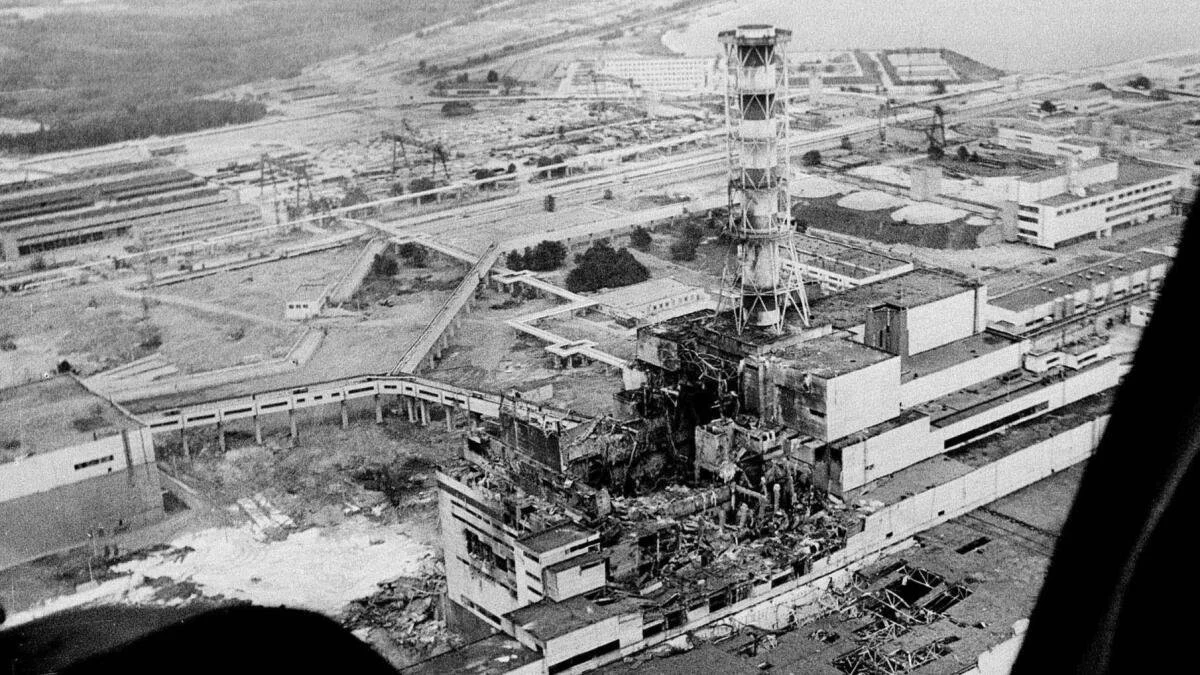
It’s the early morning of April 26, 1986 near Pripyat, Ukrainian SSR. A major failure within reactor 4 of the Vladimir Ilyich Lenin Nuclear Power Plant, commonly referred to as the Chernobyl Power Plant, has triggered a catastrophic explosion. Unknown levels of radiation are being released into the atmosphere and allowing contamination to spread. The window to contain the disaster narrows, and it is only a matter of time before the international community finds out about the accident. First responders are on the scene, and officials are scrambling to assess the situation and implement emergency measures. Drastic efforts will be needed to contain the fallout, protect the local population, and limit the flow of information that threatens the security and credibility of the Soviet state.
As remediation begins, tensions between scientists, the media, and government officials grow as the lines are blurred between truth and fabrication. Scientists embedded within the Soviet bureaucracy face significant ethical dilemmas: to speak the truth without restraint risks severe punishment, but promises saved lives. Other experts and the public are pressing for transparency from the government about the accident, but party officials seem only interested in practicing silence. Afterall, everyone knows that to question the USSR’s handling of its nuclear industry is to question the legitimacy and prestige of Soviet science itself. Will the truth of the disaster ultimately be revealed to the world, or will party allegiances and the desire to preserve the identity of Soviet Communism prevail?
Crisis Directors
Mia Walker

Jaden Deegan
Rules and Procedure
This committee follows parliamentary procedure as defined in our Crisis Committee Parley Pro Document. However, procedure during committee may be modified at the Moderator’s discretion.
Position Paper
All delegates wishing to be considered for an award must submit a position paper before the start of conference. Position paper quality will be included in consideration of awards, however paper quality will not hold as much weight in award consideration as actual committee performance. Position papers are meant to ensure a basis for delegate research and help delegates feel confident while participating during the conference.
Detailed instructions for writing and submitting Position Papers can be found in the Position Paper Guidelines Document.
Questions
If you have questions about committee content or the format of your committee, please contact your Crisis Director at contact@ctmun.org with “Chernobyl: The Aftermath” in the subject line.
For questions about CTMUN conference and logistics, please contact contact@ctmun.org.