Commission on the Status of Women
The Commission on the Status of Women (CSW) is the main UN body dedicated to promoting gender equality and protecting the rights of women and girls around the world. The CSW works to set international standards, propose new policies, and address the challenges women face in everyday life — from safety to economic opportunity. This session (70.5), our committee will tackle two issues that reflect challenges of the modern world: "Digital Safety and Cyber Violence Against Women" and "Strengthening Social Protections for Women in the Informal Economy."
Digital Safety and Cyber Violence Against Women: This topic examines how new technology, especially generative AI and furthermore deepfakes, has created dangerous new ways to target and harm women and girls. Deepfakes use AI to create fake images, videos, or audio that can look and sound completely real, and they are increasingly being used to harass women, spread false information, or create fabricated images and videos used to embarrass, blackmail, or damage someone's reputation. Because this technology is advancing faster than most laws can keep up with, women and girls are often left with little protection or recourse. Delegates will explore how governments, tech companies, and international organizations can work together to regulate these tools, hold perpetrators accountable, and support victims– all while balancing concerns about free expression and innovation. Since this is such a new and fast-moving issue, delegates may find that solid research and existing policies are limited; part of the challenge of this topic is proposing solutions where few currently exist. The committee's goal is to design practical, forward-thinking protections that address not just today's forms of online abuse, but the emerging threats AI will continue to create.
Strengthening Social Protections for Women in the Informal Economy: The "informal economy" includes jobs that aren't officially regulated, taxed, or protected by the government, roles such as street vendors, domestic workers (“household help”), and people doing informal gig work. Globally, women make up a disproportionate share of this workforce, and for many, it isn't a choice but the only option available to them. Without formal protections, these women are often left completely exposed: working without contracts, safety nets, and any real recourse when they face unfair treatment, injury, or exploitation. A medical emergency, an unpaid wage, or an abusive employer can mean losing everything overnight, with no institution to turn to for help. This is the reality for hundreds of millions of women worldwide, and it's one of the most significant barriers to closing the global gender gap in economic security. Delegates will be tasked with a difficult balancing act: designing protections robust enough to actually shield these women, without dismantling the flexibility and accessibility that make informal work a lifeline for so many in the first place. The committee's goal is to ensure that a woman's safety, dignity, and financial stability are never contingent on whether her labor is deemed "official."
This committee's topics involve serious issues such as online harassment, misuse of AI-generated content, and labor exploitation. Discussion will be kept age-appropriate, but delegates should feel ready to engage with difficult real-world material. Younger delegates and their parents/guardians are encouraged to review the topics closely before signing up.
Chair
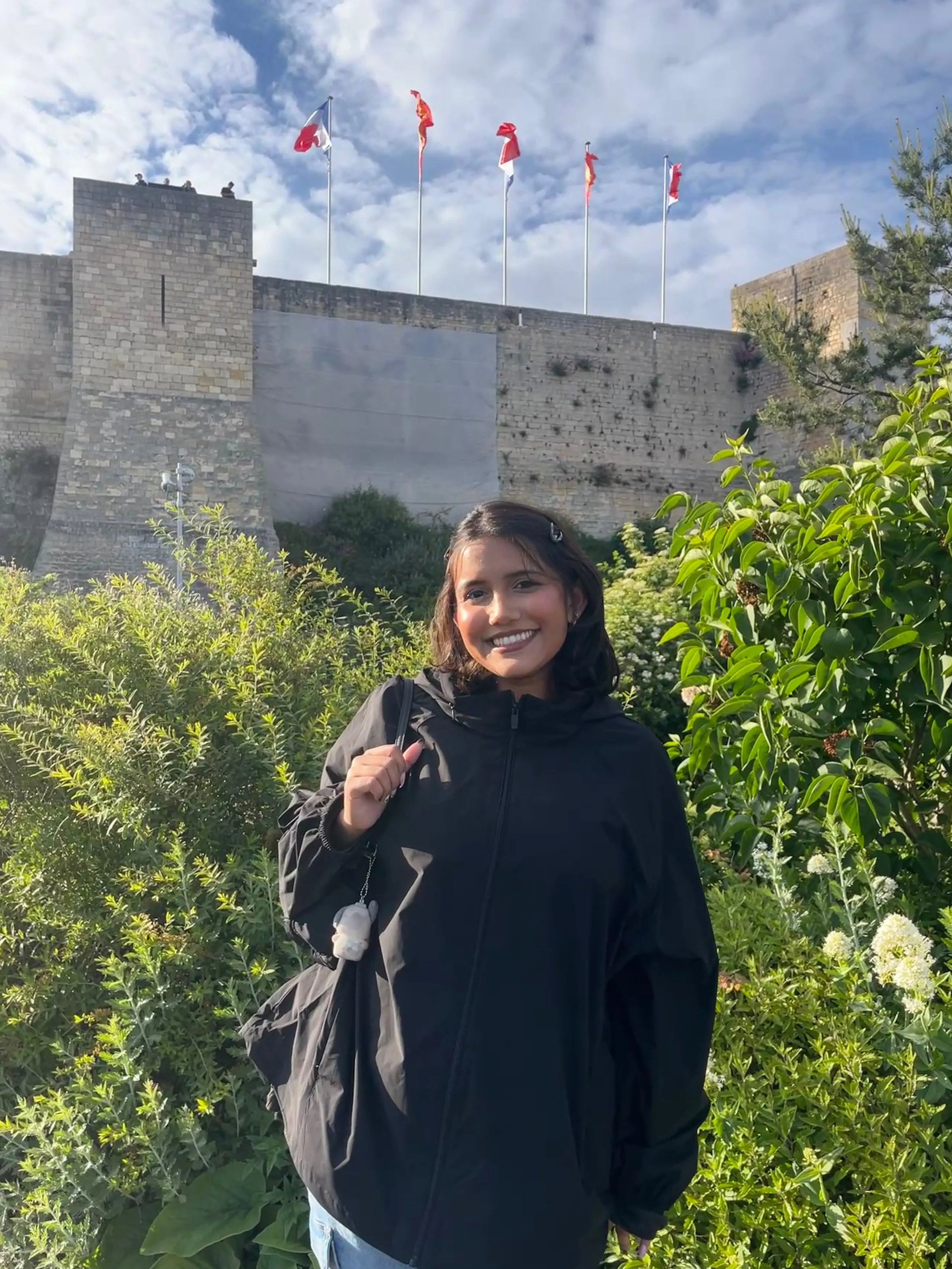
Julia Nellie
Topics
Digital Safety and Cyber Violence Against Women
Strengthening Social Protections for Women in the Informal Economy
Rules and Procedure
This committee follows parliamentary procedure as defined in our Standard Committee Rules of Procedure. However, procedure during committee may be modified at the Chair’s discretion.
Position Paper
All delegates wishing to be considered for an award must submit a position paper before the start of conference. Position paper quality will be included in consideration of awards, however paper quality will not hold as much weight in award consideration as actual committee performance. Position papers are meant to ensure a basis for delegate research and help delegates feel confident while participating during the conference.
Detailed instructions for writing and submitting Position Papers can be found in the Position Paper Guidelines Document.
Questions
If you have questions about committee content or the format of your committee, please contact your Chair at contact@ctmun.org with “CSW” in the subject line.
For questions about CTMUN conference and logistics, please contact contact@ctmun.org.