England
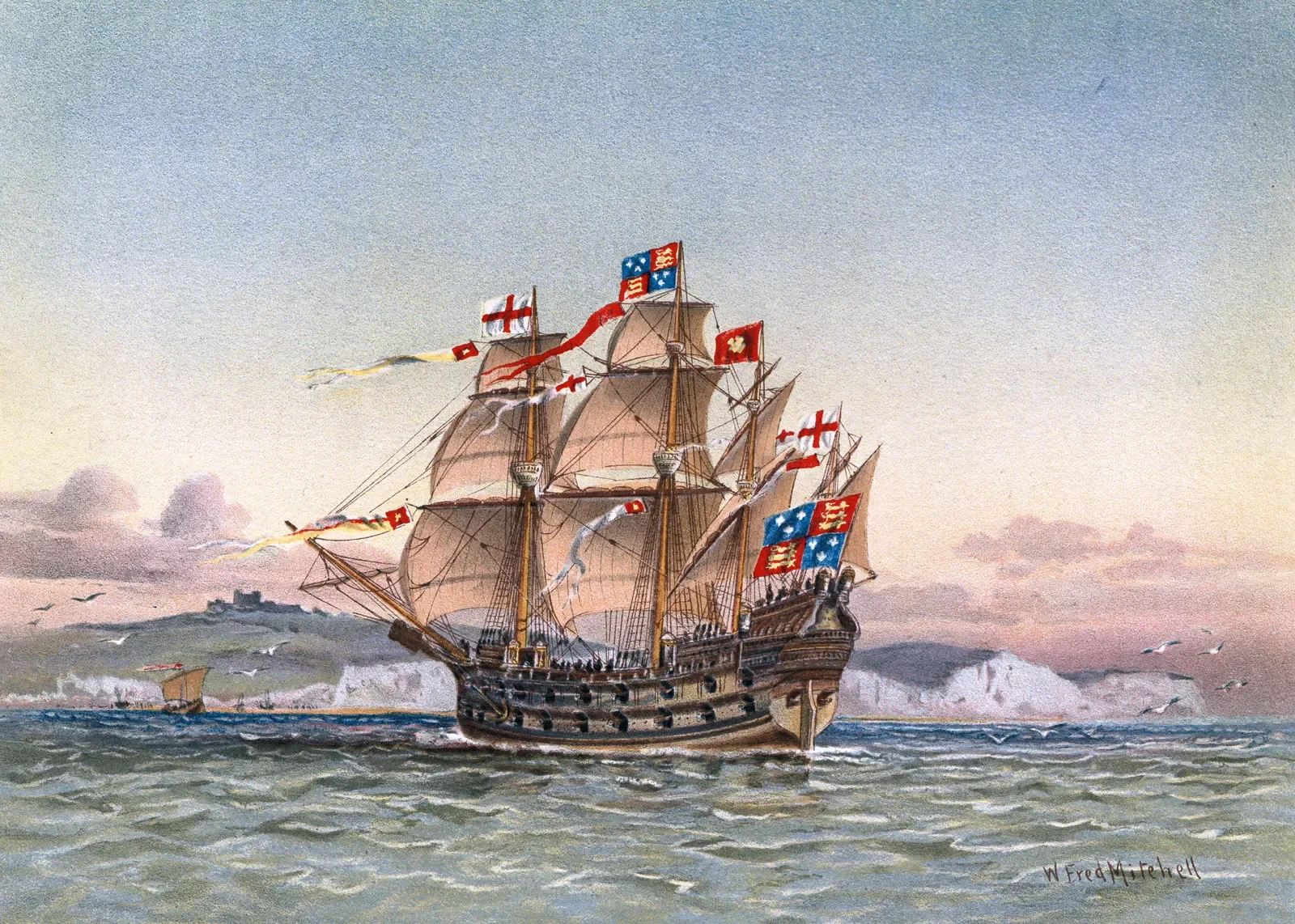
Sir James Ormond and Thomas Garth touched down in the port town of Waterford after four long days of sailing west from England. Across the three ships that moved through the Irish Sea, some two hundred men began to stir like ants as they moved to unload the cargo from the carracks they slept the last four nights in. The expedition of men had been sent down as soon as word reached Westminster that Cork received a pretender claiming to be Richard, the missing Duke of York.
Nearly everyone on that boat thought that Richard was dead. He had been missing for nearly a decade after he was last seen in the London Tower, and many men thought that his uncle, King Richard III, had orchestrated their disappearance to maintain his grip over the throne. Nobody really knew in the end. What went on inside of the Tower always stayed within the Tower. The Royal Family always kept what happened inside a mystery to the public.
Many of the older men had no idea what to believe. Claimants often showed up to challenge the throne a few times every couple of decades or so. But there was something awfully salient about this one. The brothers that had gone missing in the tower were very clearly the rightful heirs before Richard III displaced them. Many knights and nobles and members of the gentry saw Richard’s takeover for what it was. The extraordinary summer of 1483. They remembered when the Woodville faction was arrested and dismantled. They remembered when William Hastings was accused of conspiracy and executed. Nearly everyone on that boat remembered the day Edward IV’s marriage was declared invalid and his children illegitimate. And then Edward’s sons went missing.
Now the younger one, Richard, claims to be back from the dead, and King Henry VII has no intention of giving up the throne. Few men in Westminster and across the realm believe he should either. His Grace won his throne in the Battle of Bosworth from what many saw as an illegitimate king in Richard III. Compared to the tyrant that came before him, Henry was much more fit to rule, and he had already married Edward IV’s daughter. With Henry having won the throne more than six years ago, there was simply no way to peacefully transfer the reins of the royal government. Another civil war would simply be too disastrous for the realm, and claimants always appeared after new dynasties rose to the throne. Perhaps his claims are true, but with France pressing Brittany, Scotland constantly threatening the Northern Border, and Ireland bucking the Crown’s authority, there was simply too much at stake to gamble the stability of England’s future for a wannabe king.
It’s October of 1492 now. Henry’s rule is still new, and for every new regime, there came new agreements, new concessions, and a shift of power away from nobles who once held more influence in royal government. There are leaders across this realm with self interests that supersede the interests of the Crown. So the crown is influenced by the wealthy and powerful interests of every kind, foreign and domestic. And for the benefit of all the people of this realm, Henry’s government needs the ability to defend itself from all enemies. Foreign. And domestic. The members of this delegation may not be any of the kings that once ruled this land, but you are connected, you are known, and you have access to His Grace and influence among other leaders looking for your advice and your example. How the Crown defends itself? How those interests come together? The answer to that question rests with you, some of King Henry’s closest advisors.
Crisis Director

Jireh Bermoy
Rules and Procedure
This committee follows parliamentary procedure as defined in our Crisis Committee Parley Pro Document. However, procedure during committee may be modified at the Moderator’s discretion.
Position Paper
All delegates wishing to be considered for an award must submit a position paper before the start of conference. Position paper quality will be included in consideration of awards, however paper quality will not hold as much weight in award consideration as actual committee performance. Position papers are meant to ensure a basis for delegate research and help delegates feel confident while participating during the conference.
Detailed instructions for writing and submitting Position Papers can be found in the Position Paper Guidelines Document.
Questions
If you have questions about committee content or the format of your committee, please contact your Crisis Director at contact@ctmun.org with “England” in the subject line.
For questions about CTMUN conference and logistics, please contact contact@ctmun.org.