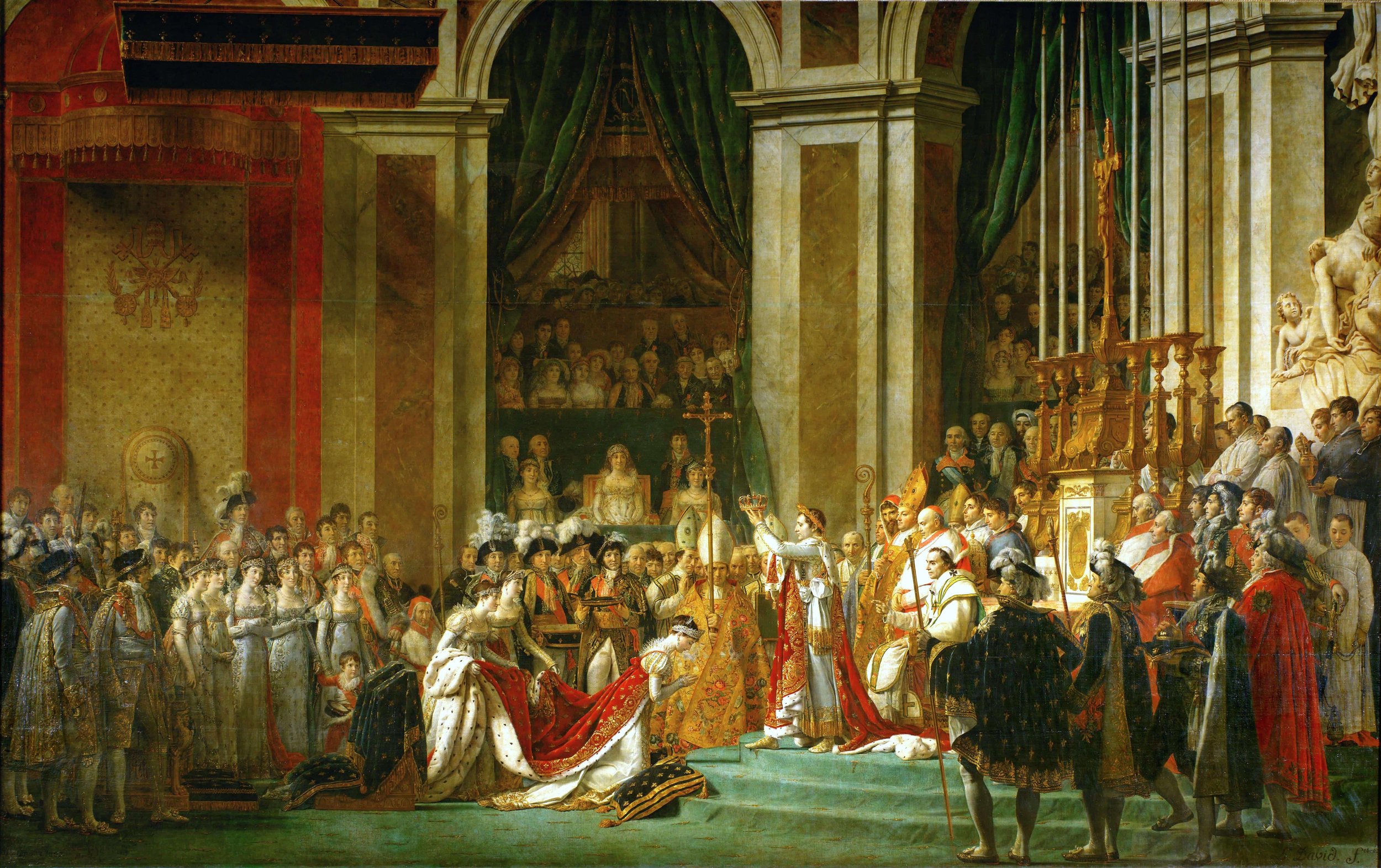
France
L’inconnu appelle. The year is 1490, and the Kingdom of France stands at a critical crossroad in history.
The crown faced a divided nation. Taxation is strongly unpopular, nobles resist government authority, and competing factions within the royal court argue over the future of France. Many push for stronger unification of royal power and domestic economic reform, while others emphasize regional control and noble autonomy. The financial system is strained, the infrastructure is unstable, and strength is dependent on political compromise. Every royal decision risks deepening these cracks.
Diviser pour régner. At the same time, France is being pulled outward to the connected world. Eastern trade routes from Africa, the Ottoman Empire, India, and China remain dominated by foreign powers. Luxury goods, spices, and wealth remain out of French reach. With rival European nations aggressively expanding their control, forging alliances, and investing in maritime technology, France risks being economically outpaced and politically isolated if it fails to act.
Amidst this stress, a new frontier begins to emerge: the Atlantic. Sailors, merchants, and scholars debate the feasibility of Western trade routes, while shipbuilders and mariners experiment with new technologies to redefine travel. Yet exploration is expensive, risky, and politically controversial. Funding voyages requires navigating court rivalries, securing noble backing, and balancing an already fragile national budget.
Delegates will have to navigate multiple ideas at once: managing diplomatic relations with foreign powers and indigenous nations, negotiating international trade agreements, and stabilizing France’s internal political and economic systems. Expansion is no guarantee, and any failure in diplomacy, economics, or governance could collapse the entire French strategy.
France’s future will not be decided by exploration alone, but by whether it can hold itself together while reaching outward. Power must be built as much within the kingdom as beyond it.
And in a world where ambition outpaces stability, one truth remains:
C’est la vie.
Crisis Director

Soham Kulkarni
Rules and Procedure
This committee follows parliamentary procedure as defined in our Crisis Committee Parley Pro Document. However, procedure during committee may be modified at the Moderator’s discretion.
Position Paper
All delegates wishing to be considered for an award must submit a position paper before the start of conference. Position paper quality will be included in consideration of awards, however paper quality will not hold as much weight in award consideration as actual committee performance. Position papers are meant to ensure a basis for delegate research and help delegates feel confident while participating during the conference.
Detailed instructions for writing and submitting Position Papers can be found in the Position Paper Guidelines Document.
Questions
If you have questions about committee content or the format of your committee, please contact your Crisis Director at contact@ctmun.org with “France” in the subject line.
For questions about CTMUN conference and logistics, please contact contact@ctmun.org.