HISTORICAL
The Government Administration Council was the highest executive body of the newly founded People's Republic of China. Led by premier Zhou Enlai, the body was composed of both member of the CCP as well as its non-communist coalition partners, and was responsible for translating the CCP's revolutionary program into official state policy. It was responsible for overseeing the foreign affairs, finance, industry, agriculture, education and public security of a country that had been ravaged by war for the past decade. Its decisions in these first years would determine the fate of the most populous country in the world. During this committee delegates will take on the roles of the council to debate and address the issues of Land Reform and Economic Reconstruction, as well as International Alignment and Diplomacy.
On the issue of Land Reform and Economic Reconstruction the council will be attempting to fulfill the CCP's revolutionary promise of redistributing land from China's wealthy landlords to the peasantry. While tackling this massive feat the council must simultaneously attempt to stop runaway inflation, as well as the practical demand of feeding the populous while rebuilding industry. Delegates will need to resolve the pace, method, and scope of land reform while balancing it with the task of economic stabilization.
The People's Republic of China was born in the backdrop of Cold War. With Mao having already declared that China would "lean to one side" toward the Soviet Union, the Council must determine how far to formalize that alignment through treaty commitments with Moscow. On top of this they need to determine how to handle the unresolved status of Taiwan and the remnant Nationalist government there, and how, or whether, to pursue recognition from governments outside the socialist bloc.
Chair
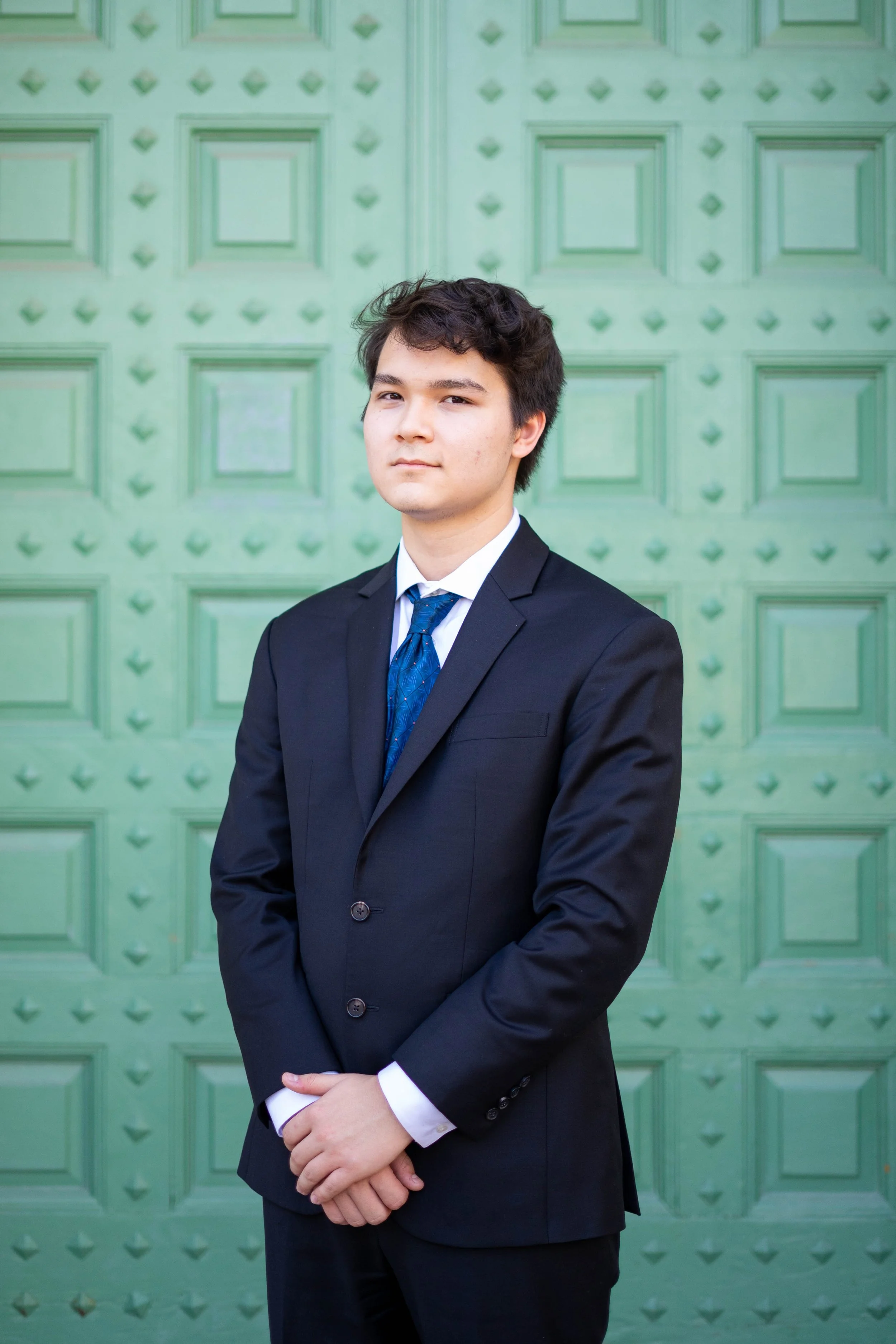
Joshua Pietsch
Topics
Land Reform and Economic Reconstruction
International Alignment and Diplomacy
Rules and Procedure
This committee follows parliamentary procedure as defined in our Standard Committee Rules of Procedure. However, procedure during committee may be modified at the Chair’s discretion.
Position Paper
All delegates wishing to be considered for an award must submit a position paper before the start of conference. Position paper quality will be included in consideration of awards, however paper quality will not hold as much weight in award consideration as actual committee performance. Position papers are meant to ensure a basis for delegate research and help delegates feel confident while participating during the conference.
Detailed instructions for writing and submitting Position Papers can be found in the Position Paper Guidelines Document.
Questions
If you have questions about committee content or the format of your committee, please contact your Chair at contact@ctmun.org with “HISTORICAL” in the subject line.
For questions about CTMUN conference and logistics, please contact contact@ctmun.org.