International Olympic Committee
The International Olympic Committee (IOC) is the supreme authority of the Olympic Movement, responsible for organizing the modern Olympic Games and promoting the values globally. Far more than just a sports administration, the IOC acts as a powerful international non-governmental body that must continuously navigate complex geopolitical, economic, and humanitarian challenges. It works in collaboration with public and private authorities, National Olympic Committees, and the United Nations to use sport as a tool for peace, education, and sustainable development. During this year's CTMUN, delegates will step into the roles of international representatives to debate two critical issues that define the modern era of the Games: "Addressing the Long-Term Consequences of Olympic Infrastructure" and "The Eligibility Rights of Refugee Athletes Under the Olympic Framework."
Addressing the Long-Term Consequences of Olympic Infrastructure: This topic challenges delegates to confront the complex, lasting footprint left on host cities long after the closing ceremonies. Modern Olympic infrastructure demands massive investment and rapid urban development, which can unfortunately lead to severe social and economic consequences, such as rapid gentrification, community displacement, and debilitating municipal debt. Discussing this issue is critical to the future sustainability of the Olympic Movement. The committee must evaluate these dual impacts to ensure that the honor of hosting the Games serves as a positive catalyst for long-term urban development and social cohesion, rather than a lasting burden on local communities.
The Eligibility Rights of Refugee Athletes Under the Olympic Framework: This topic focuses on the vital intersection of global sports diplomacy and humanitarian aid. In an era with unprecedented levels of global displacement, the Olympic movement has sought to provide a platform for the world's most vulnerable competitors through the IOC Refugee Olympic Team (EOR). It is crucial for this committee to discuss this topic because stateless athletes face profound, unresolved hurdles regarding legal nationality, representation in host countries with established National Olympic Committees (NOCs), and the fundamental question of whether their specialized status is temporary or permanent. Addressing these complex human elements is essential to upholding the inclusive values of the Olympic Charter in a rapidly shifting geopolitical landscape.
Chair
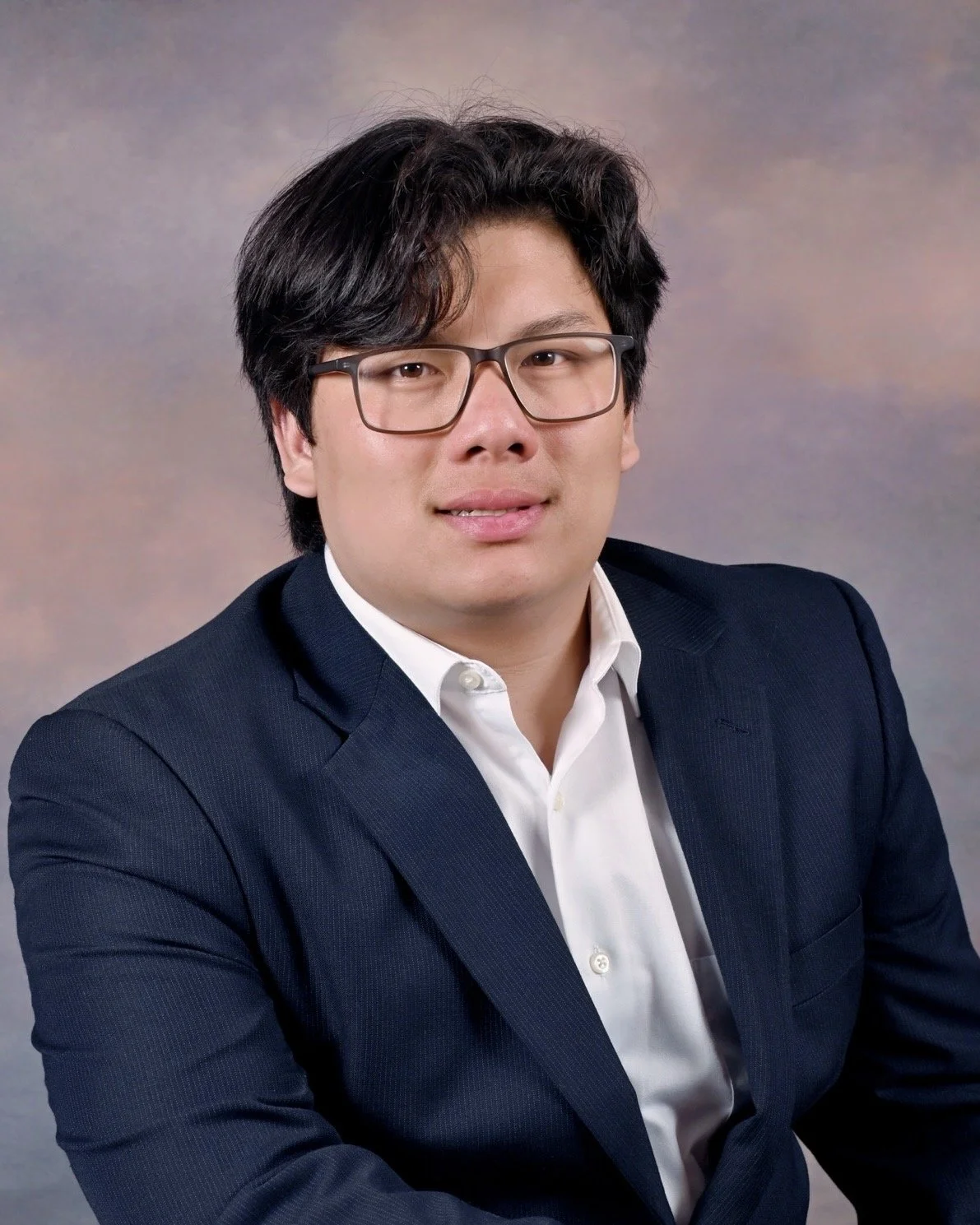
Darren Jimenez
Topics
Addressing the Long-Term Consequences of Olympic Infrastructure
The Eligibility Rights of Refugee Athletes Under the Olympic Framework
Rules and Procedure
This committee follows parliamentary procedure as defined in our Standard Committee Rules of Procedure. However, procedure during committee may be modified at the Chair’s discretion.
Position Paper
All delegates wishing to be considered for an award must submit a position paper before the start of conference. Position paper quality will be included in consideration of awards, however paper quality will not hold as much weight in award consideration as actual committee performance. Position papers are meant to ensure a basis for delegate research and help delegates feel confident while participating during the conference.
Detailed instructions for writing and submitting Position Papers can be found in the Position Paper Guidelines Document.
Questions
If you have questions about committee content or the format of your committee, please contact your Chair at contact@ctmun.org with “IOC” in the subject line.
For questions about CTMUN conference and logistics, please contact contact@ctmun.org.