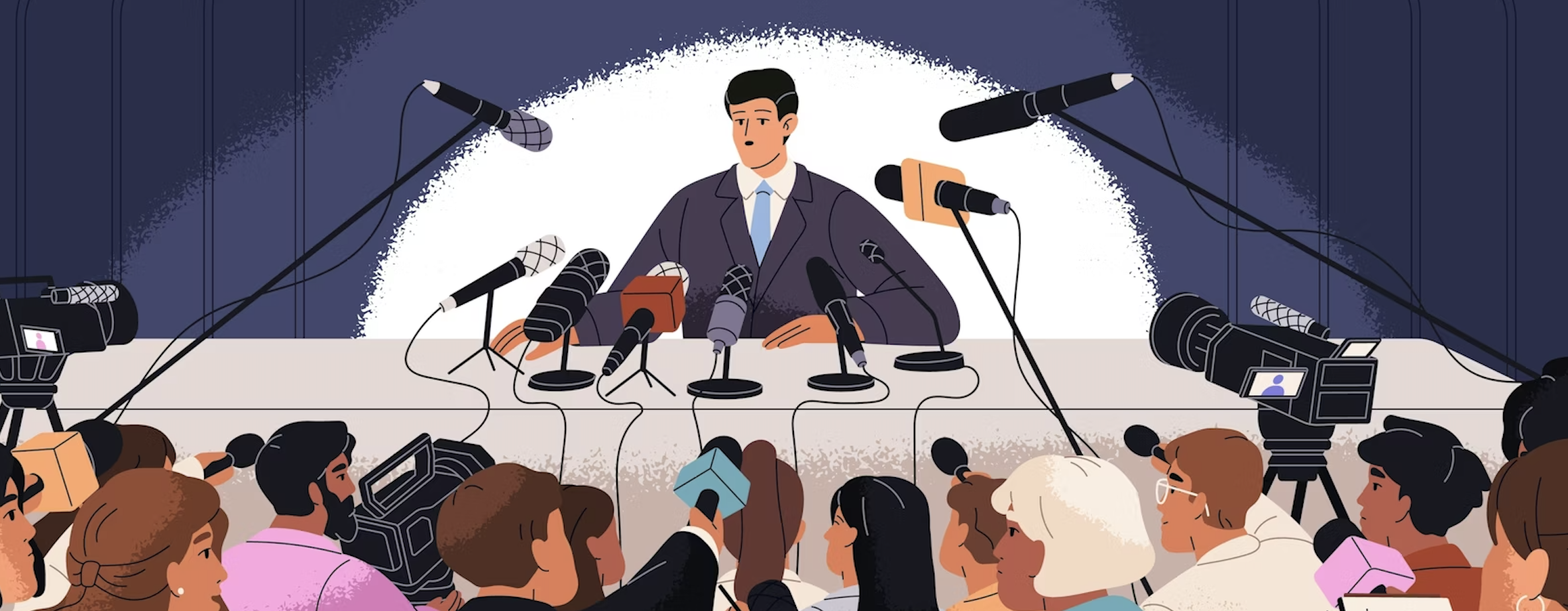
Press Corps
For centuries, journalism has been an independent force meant to hold the powerful accountable and make the truth as widely accessible as possible. But in the modern era, the line between reporting and manufacturing the news has been blurred. Information is not only a public service but a weapon of economic influence and geopolitical strategy. In Press Corps, representatives from powerful media conglomerates, independent journals, and state-aligned news agencies will all gather in one place. Delegates will immerse themselves in active committee rooms, following the arc of crises as they unfold, conducting interviews, and writing journalistic articles that efficiently inform the public. Back in the newsroom, delegates will debate over the responsibilities of modern media. Where does the right to inform end and national security begin? How should the international community combat state-sponsored propaganda and digital misinformation?
Crisis Director
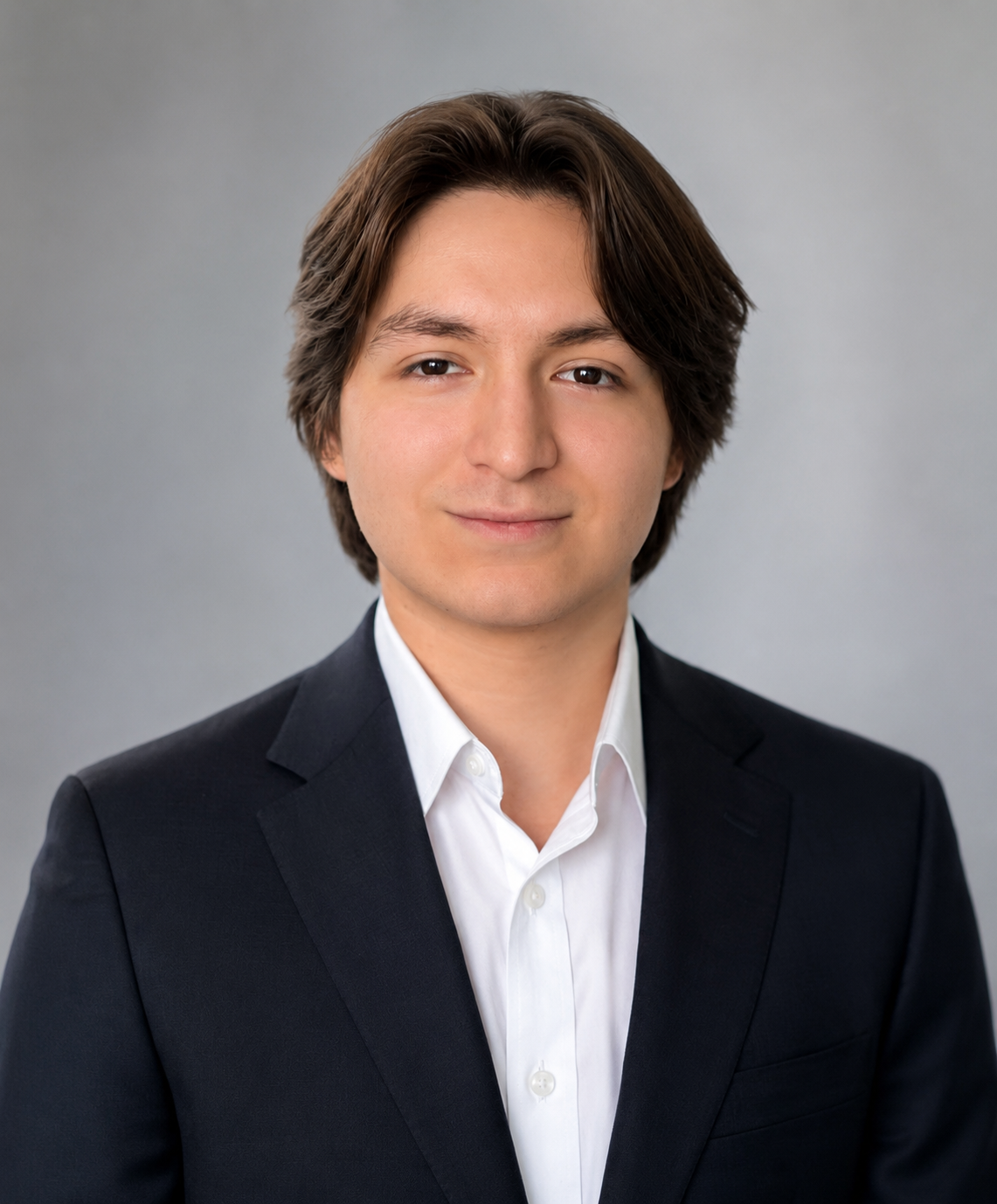
Sebastian Rey
Rules and Procedure
This committee follows parliamentary procedure as defined in our Crisis Committee Parley Pro Document. However, procedure during committee may be modified at the Moderator’s discretion.
Position Paper
All delegates wishing to be considered for an award must submit a position paper before the start of conference. Position paper quality will be included in consideration of awards, however paper quality will not hold as much weight in award consideration as actual committee performance. Position papers are meant to ensure a basis for delegate research and help delegates feel confident while participating during the conference.
Detailed instructions for writing and submitting Position Papers can be found in the Position Paper Guidelines Document.
Questions
If you have questions about committee content or the format of your committee, please contact your Crisis Director at contact@ctmun.org with “Press Corps” in the subject line.
For questions about CTMUN conference and logistics, please contact contact@ctmun.org.