SOCHUM
The Social, Humanitarian and Cultural Committee, known as SOCHUM, is the Third Committee of the United Nations General Assembly. It is one of six main committees, and all 193 Member States sit on it, each with one vote. There is no veto and no permanent membership. SOCHUM meets every fall, usually from October through November, and sends the resolutions it approves to the General Assembly for final adoption in December.
SOCHUM handles social, humanitarian, and cultural issues, and it is the General Assembly's main human rights committee. Its regular topics include the rights of children, the advancement of women, the rights of Indigenous Peoples, racism and racial discrimination, social development, crime prevention, and refugees. It also receives the yearly report of the Human Rights Council and hears directly from independent UN experts called special rapporteurs.
Two things are worth knowing about how this committee actually works. First, SOCHUM resolutions are recommendations, not binding law. Their power comes from language, because wording agreed here often reappears later in national legislation and in UN treaty body reports. Second, SOCHUM strongly prefers consensus, and most of its resolutions pass without a vote. Writing something that everyone can live with usually matters more than winning a vote. Standard parliamentary procedure will be covered in your delegate packet.
Chair
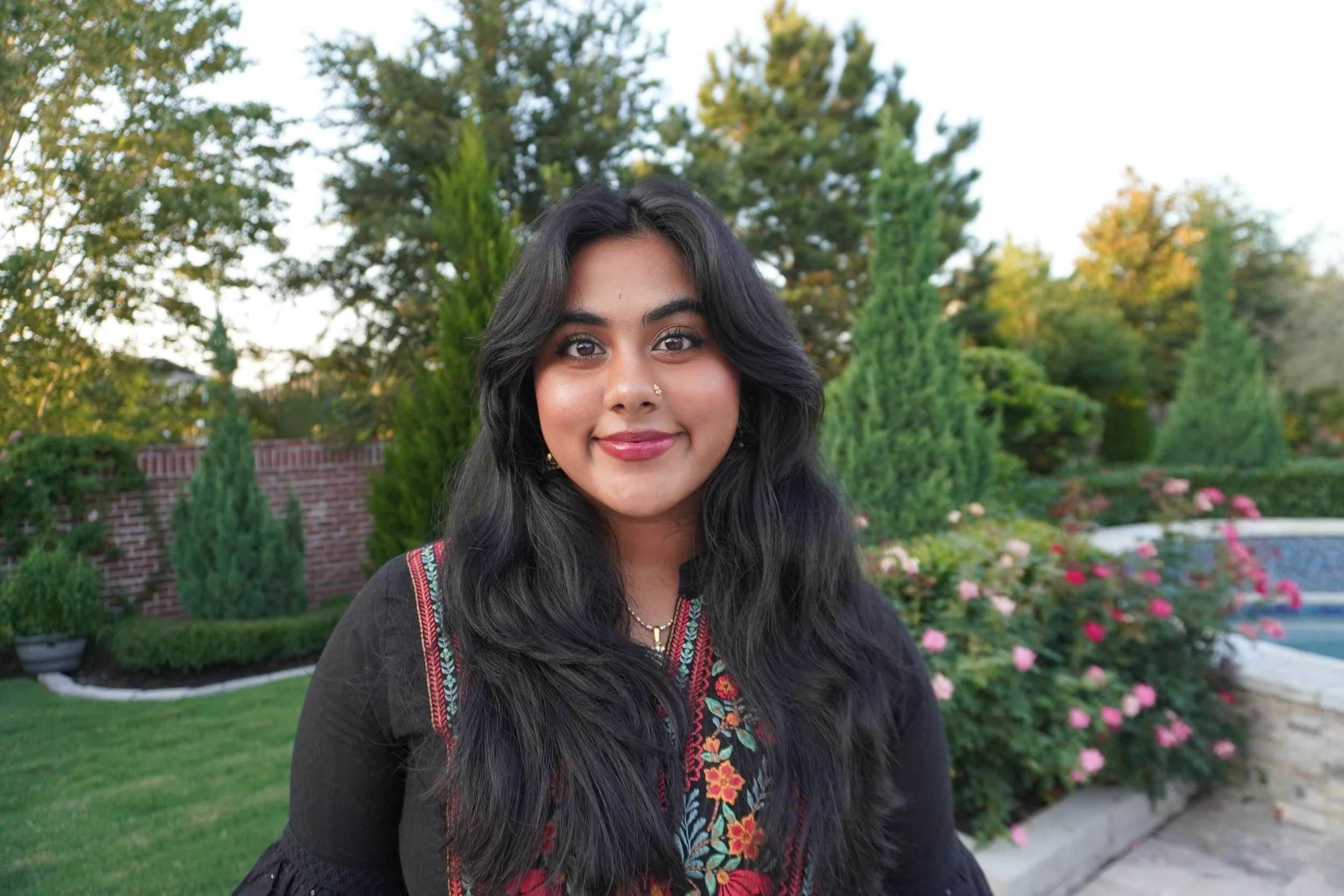
Shriya Reddy
Topics
Child Marriage and Legal Minimum Age Enforcement
The Right to Privacy in the Digital Age
Rules and Procedure
This committee follows parliamentary procedure as defined in our Standard Committee Rules of Procedure. However, procedure during committee may be modified at the Chair’s discretion.
Position Paper
All delegates wishing to be considered for an award must submit a position paper before the start of conference. Position paper quality will be included in consideration of awards, however paper quality will not hold as much weight in award consideration as actual committee performance. Position papers are meant to ensure a basis for delegate research and help delegates feel confident while participating during the conference.
Detailed instructions for writing and submitting Position Papers can be found in the Position Paper Guidelines Document.
Questions
If you have questions about committee content or the format of your committee, please contact your Chair at contact@ctmun.org with “SOCHUM” in the subject line.
For questions about CTMUN conference and logistics, please contact contact@ctmun.org.