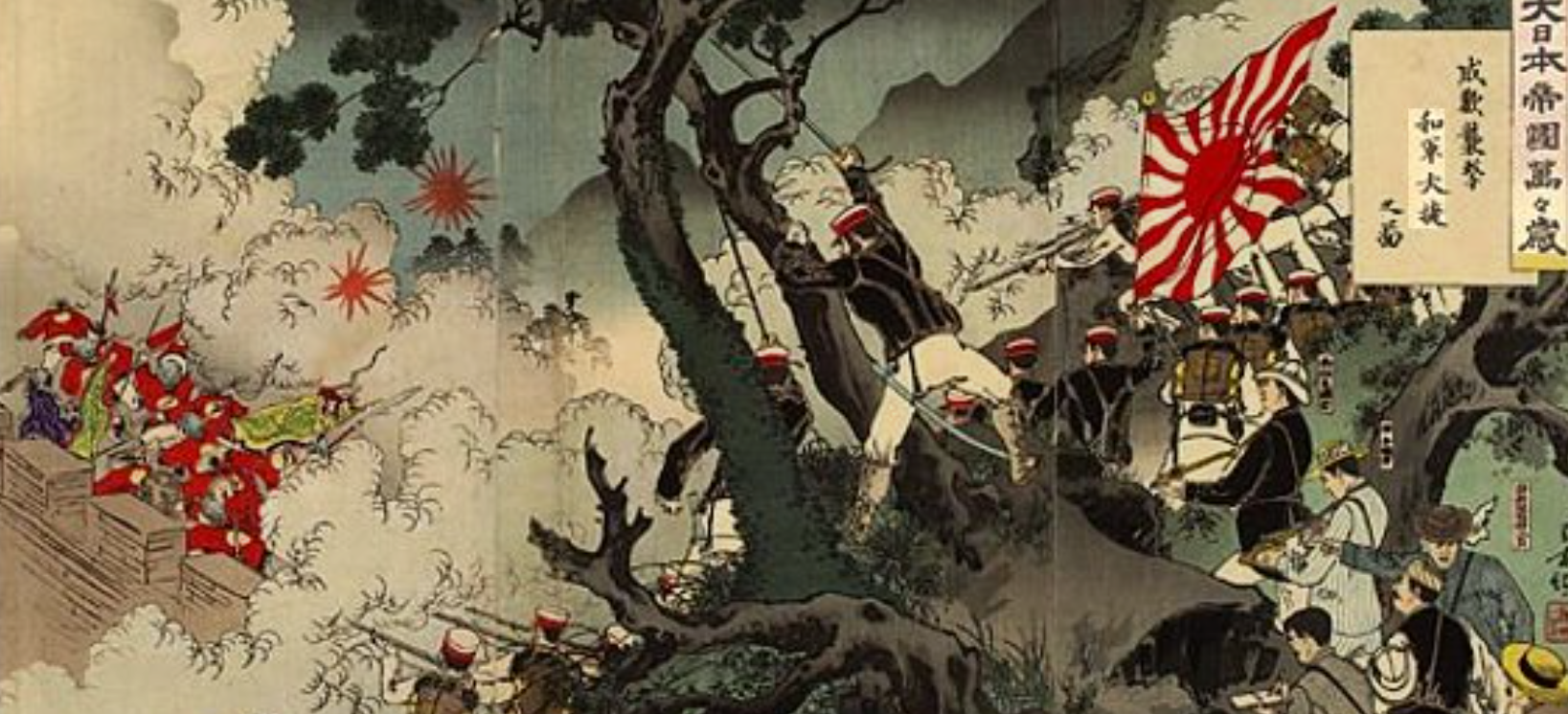
The First Sino-Japanese War: China
It is 1894, and China is facing yet another massive threat to their economic standing. Just 5 years prior, violence in Tianjin ended all Western influence in the region, allowing Empress Dowager Cixi a chance to reunite Chinese culture without interference. Cutting off the West, however, also meant isolating China from nations that would soon become the most powerful in the world. But China is not without connections: the nation has been the number one trade partner with the metal-rich Korea for centuries, allowing China a leg-up over the rest of the region. Korea, however, has emerged as East Asia’s most wanted trading partner.
Japan, recently modernized, westernized, and industrialized from the Meiji Restoration, has laid its eyes on the Joseon Kingdom of Korea. Japan thinks that now they are developed, they have a right to influence Korea, influence their economics and policies. The nation just entered the global scene, and is already looking for control. China has a long-standing relationship with Korea, with deep cultural roots and economic ties that would leave Korea in shambles if cut off. The tensions between China and Japan are high over who will influence Korea.
Both China and Japan, out of fear of an unprecedented war, signed the Li-Ito Convention, agreeing that the two countries would not go to war and would stay out of Korea. Japan, however, did not uphold their end of the bargain. Japan aided Korea in modernization, gaining support both socially and politically from the government. China had no choice to retaliate, and so they lured pro-Japanese Korean leader Kim ok-Kyun to Shanghai. The contract has been obliterated, tensions are high, and influence and trade with the powerhouse of Korea is at stake. China has the opportunity to not just keep what they already have, but showcase their deep-rooted power regardless of Western influence and aid. Japan might have westernized, but China fought off those Europeans because China doesn’t need outside aid: it is strong enough on its own. In this committee, you stand with China, aware of Japanese tensions and in need of maintaining an alliance with Korea. The future remains unclear, but one thing is certain: the Qing Dynasty will not lose.
Crisis Director

Madeline Kling
Rules and Procedure
This committee follows parliamentary procedure as defined in our Crisis Committee Parley Pro Document. However, procedure during committee may be modified at the Moderator’s discretion.
Position Paper
All delegates wishing to be considered for an award must submit a position paper before the start of conference. Position paper quality will be included in consideration of awards, however paper quality will not hold as much weight in award consideration as actual committee performance. Position papers are meant to ensure a basis for delegate research and help delegates feel confident while participating during the conference.
Detailed instructions for writing and submitting Position Papers can be found in the Position Paper Guidelines Document.
Questions
If you have questions about committee content or the format of your committee, please contact your Crisis Directors at contact@ctmun.org with “The First Sino-Japanese War: China” in the subject line.
For questions about CTMUN conference and logistics, please contact contact@ctmun.org.