The Gilded Age
The year is 1894, and the United States stands on the edge of collapse.
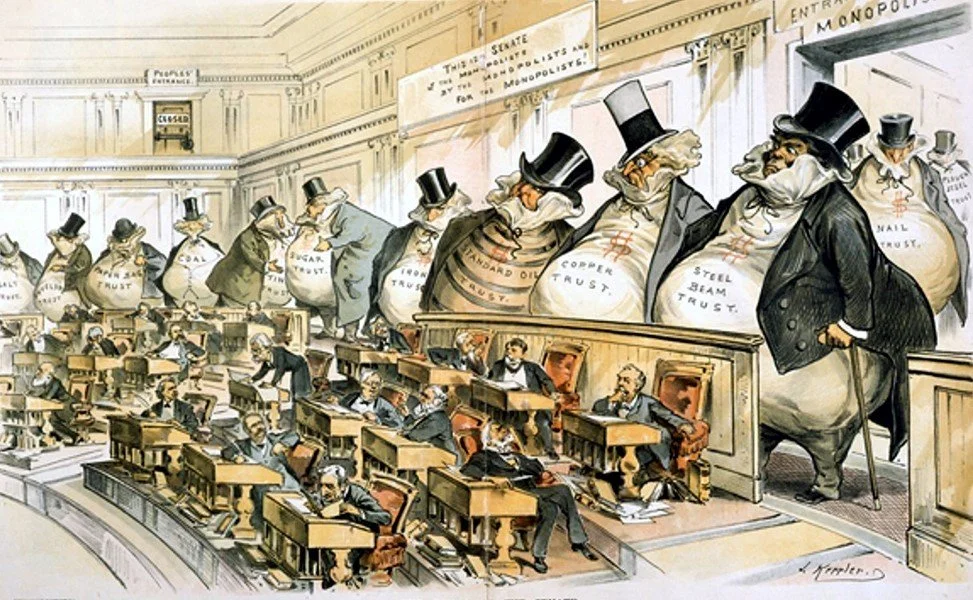
The Panic of 1893 plunged the nation into one of the worst economic depressions in American history. Banks are failing, and unemployment spreads like wildfire through industrial cities. Yet while ordinary Americans starve, the corporations of the Gilded Age continue to tighten their grip on the nation. Railroad monopolies dictate commerce, oil monopolies manipulate the market, and industrial tycoons wield more influence in Washington than elected officials themselves. In the shadows of marble boardrooms, men like J. P. Morgan, John D. Rockefeller, and Andrew Carnegie quietly shape the future of the republic with wealth rivaling that of nations.
But across the country, resistance is growing.
In Chicago, workers at the Pullman Palace Car Company have walked off the job after wage cuts devastated already-struggling families. Under the leadership of Eugene V. Debs, the strike rapidly spread across the nation, paralyzing railroads and threatening to bring the American economy to a standstill. Labor unions organize mass demonstrations, governors deploy militias into the streets, and armed clashes erupt between workers and the Pinkerton National Detective Agency.
This committee places delegates inside the volatile struggle between government power, corporate influence, and organized labor during one of the most explosive moments of the Gilded Age. Delegates will navigate economic collapse, political corruption, labor uprisings, media warfare, and the growing question at the heart of industrial America: who truly controls the nation: the government elected by the people, or the corporations built by capital?
Crisis Director

Riya Sengupta
Rules and Procedure
This committee follows parliamentary procedure as defined in our Crisis Committee Parley Pro Document. However, procedure during committee may be modified at the Moderator’s discretion.
Position Paper
All delegates wishing to be considered for an award must submit a position paper before the start of conference. Position paper quality will be included in consideration of awards, however paper quality will not hold as much weight in award consideration as actual committee performance. Position papers are meant to ensure a basis for delegate research and help delegates feel confident while participating during the conference.
Detailed instructions for writing and submitting Position Papers can be found in the Position Paper Guidelines Document.
Questions
If you have questions about committee content or the format of your committee, please contact your Crisis Director at contact@ctmun.org with “The Gilded Age” in the subject line.
For questions about CTMUN conference and logistics, please contact contact@ctmun.org.