
A Race Through Time
It is a wonderfully normal day in the 21st century. On the surface, nothing seems different (or more different than usual). However, in a covert laboratory deep underground, scientists are on the edge of a groundbreaking discovery. With a bit more tweaking and another check of the math, the first prototype of a time machine would be ready for testing. Suddenly, alarms blare with increasing urgency. The distinct sound of gunfire grows closer by the second. Cameras show multiple armed soldiers blasting through the doors of the underground bunker in search of the new technology. The lab is thrown into chaos as papers are frantically destroyed, but one small click makes the whole room pause. As the soldiers rush into the room, everyone stares in growing horror at the whirring and glowing apparatus that just vanished right before their eyes.
In a world constantly at the brink of global war, countries have been ravenous for any new innovation that can give them the upper hand. Two world wars and multiple pandemics have made nuclear missiles and bioweaponry old news, but one avenue remained underexplored: time travel. The great visionaries of the past remained criminally untapped, and certain world leaders wouldn’t stand for it. However, a group of scientists realized that if any one country could make unrestricted trips to the past, the possibilities would be disastrous. They began carrying out covert research to pre-empt the time travel boom, but one fateful day, everything went horribly wrong. The experimental time machine set off into the space-time continuum by accident. The lack of passengers caused the machine to fracture in transit, pulling various individuals from all across the time stream with it. Now, hapless scientists and philosophers from various times have found themselves stuck in a foreign time, with no resources or allies on their side. Can they make it back to the modern era without getting killed in a foreign time?
Crisis Director
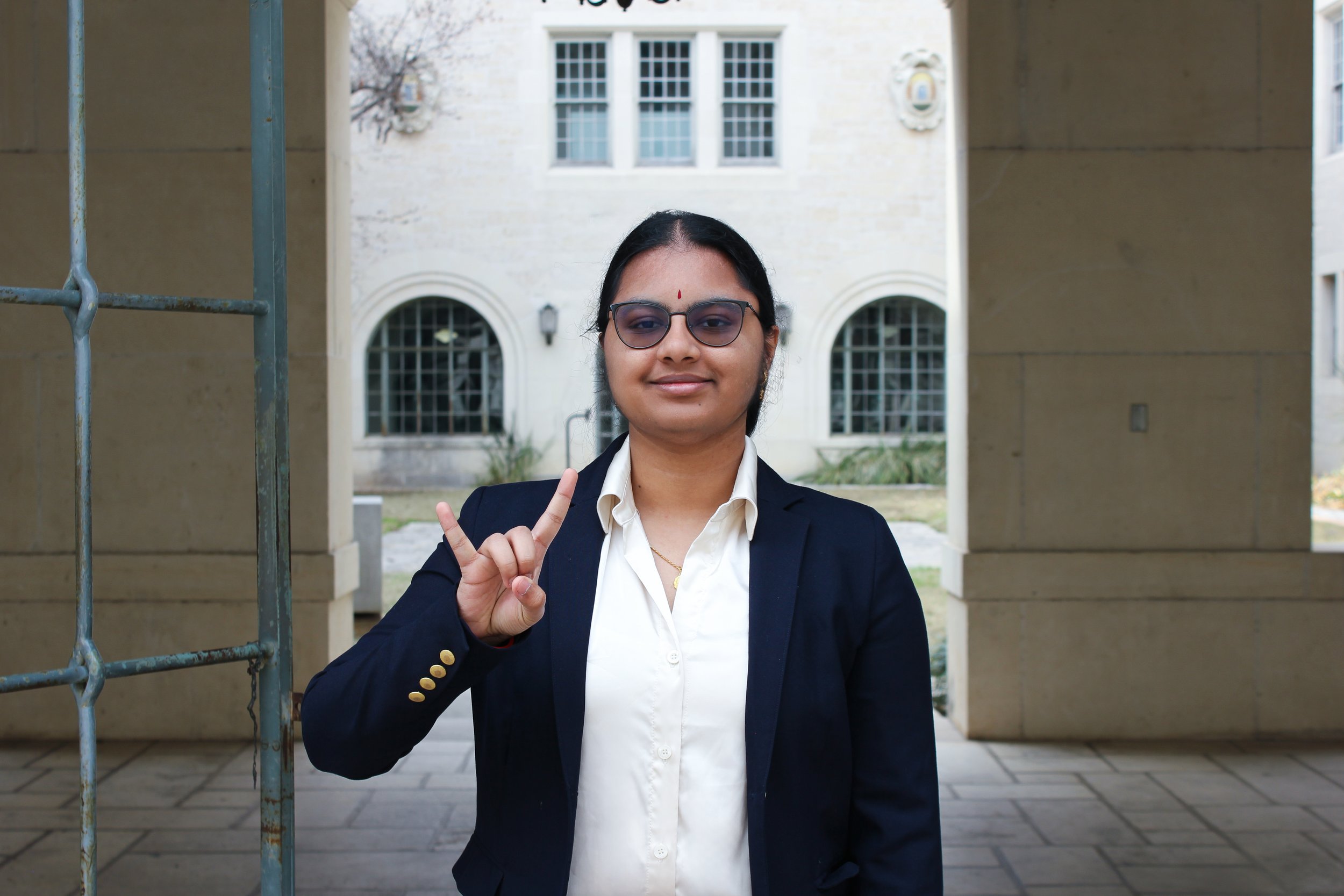
Lasya Praturi
Rules and Procedure
This committee follows parliamentary procedure as defined in our Crisis Committee Parley Pro Document. However, procedure during committee may be modified at the Moderator’s discretion.
Position Paper
All delegates wishing to be considered for an award must submit a position paper before the start of conference. Position paper quality will be included in consideration of awards, however paper quality will not hold as much weight in award consideration as actual committee performance. Position papers are meant to ensure a basis for delegate research and help delegates feel confident while participating during the conference.
Detailed instructions for writing and submitting Position Papers can be found in the Position Paper Guidelines Document.
Questions
If you have questions about committee content or the format of your committee, please contact your Crisis Director at contact@ctmun.org with “A Race Through Time” in the subject line.
For questions about CTMUN conference and logistics, please contact contact@ctmun.org.