United Nations Security Council
The United Nations Security Council (UNSC) is the primary crisis-response body of the UN that aims to preserve international peace and security using its exclusive executive powers. It consists of 15 member countries, of whom 10 are temporary members and 5 are permanent members with special veto powers: Russia, China, the United States, the United Kingdom, and France. The body is the only one in the UN that can pass binding resolutions, authorize military action, and impose sanctions, making it widely considered the most important organ of the entire United Nations. Some of the most consequential UNSC actions in the past have included peacekeeping activity in the Middle East and imposing international counterterrorism measures.
Due to the urgency with which the UNSC must respond to pressing crises, the veto powers delegated to the permanent members can prove troublesome for quick action. As a result, this committee will require 2/5 permanent members to veto—not just one. This should open the doors to more resolutions that would have otherwise been killed in the real UNSC, hopefully encouraging bolder and more innovative responses from delegates.
Chair
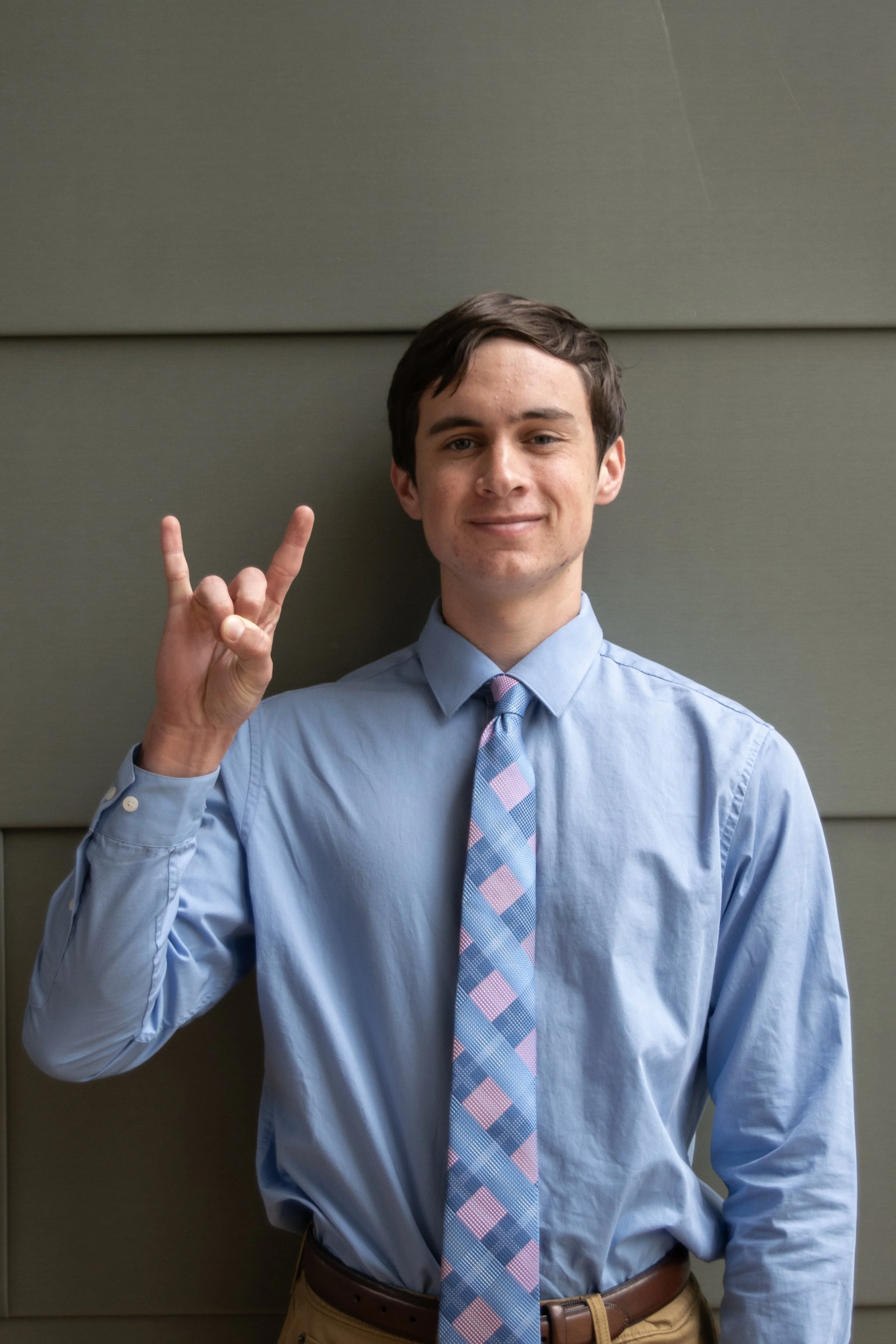
Aiden McNeese
Topics
Addressing the situation in Sudan between the SAF and RSF
Intervening in Refugee Safety from the Myanmar Civil War in Bangladesh
Rules and Procedure
This committee follows parliamentary procedure as defined in our Standard Committee Rules of Procedure. However, procedure during committee may be modified at the Chair’s discretion.
Position Paper
All delegates wishing to be considered for an award must submit a position paper before the start of conference. Position paper quality will be included in consideration of awards, however paper quality will not hold as much weight in award consideration as actual committee performance. Position papers are meant to ensure a basis for delegate research and help delegates feel confident while participating during the conference.
Detailed instructions for writing and submitting Position Papers can be found in the Position Paper Guidelines Document.
Questions
If you have questions about committee content or the format of your committee, please contact your Chair at contact@ctmun.org with “UNSC” in the subject line.
For questions about CTMUN conference and logistics, please contact contact@ctmun.org.