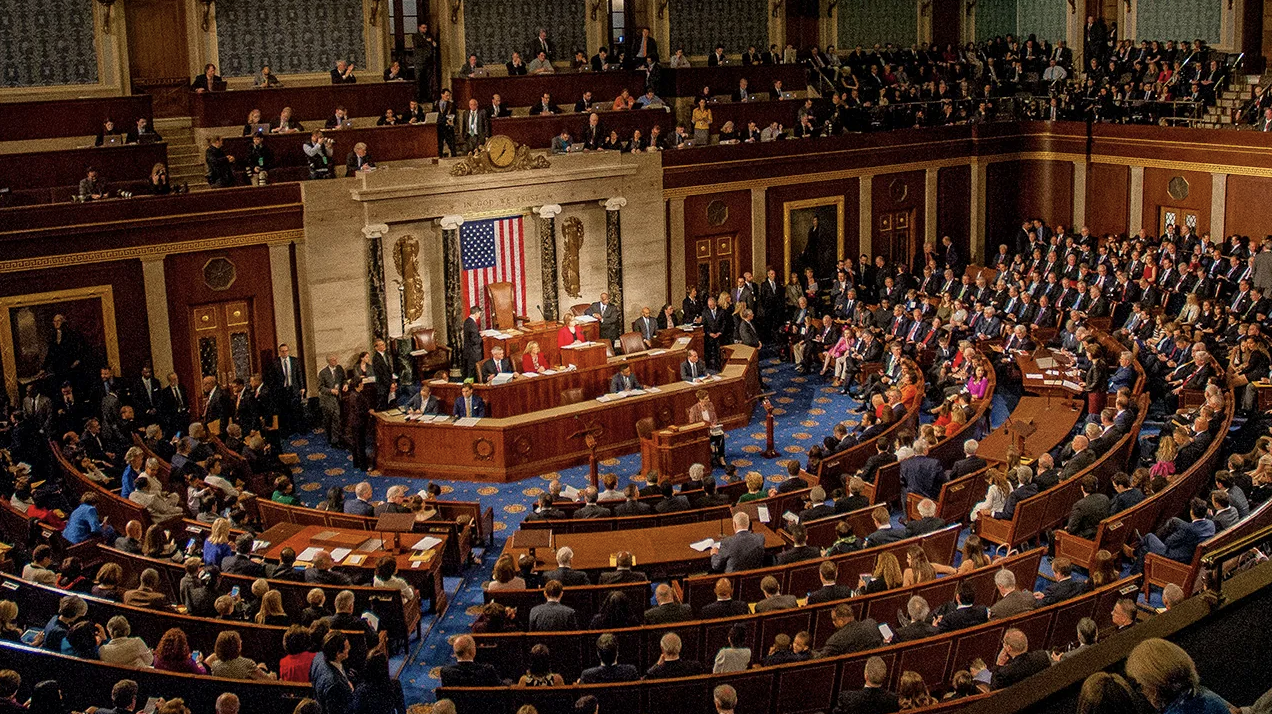
US Council of Higher Education
American higher education stands at its breaking point…
Once regarded as the backbone of national prosperity, innovation, and democratic leadership, U.S. universities now face a crisis. Though institutions have long competed for prestige, rankings, athletics, and talent, they were bound by a shared assumption: that Washington would ultimately sustain their system. That assumption has now collapsed.
In an unprecedented move, the United States Department of Education has frozen all federal higher-education aid while it “reconsiders national priorities.” Pell Grants, research disbursements, loan-servicing subsidies, and emergency stabilization funds have been halted indefinitely. Congress remains divided, public confidence is wavering, and only a small reserve of funding remains. This is not enough to save everyone.
Each institution now stands alone, struggling to survive as tuition revenue falters, students protest, donors hesitate, and creditors grow impatient. Endowments, not matter how large, are not infinite. Political goodwill is fragile. Prestige alone will not keep the lights on.
To endure, universities must act swiftly and ruthlessly.
In a system starved of resources, opportunity emerges. Struggling institutions will do everything in their power to secure their futures, using every political, economic, and strategic tool available. Federal priorities may be rewritten and entire categories of institutions may be deemed expendable. As a result universities must now act not only as centers of learning, but as political actors, economic engines, and custodians of public trust. They must address Congress, draft policy, navigate congressional investigations and hearings, manage student unrest, and perhaps negotiate behind closed doors.
The question is no longer whether the system will change, but who will shape it.
Which universities will secure the remaining federal support, and which will be left behind? Will higher education endure as a public good, or fracture into winners and casualties? When the money runs out, who decides what (and who) is worth saving?
Crisis Director

Valeria Gonzalez
Rules and Procedure
This committee follows parliamentary procedure as defined in our Crisis Committee Parley Pro Document. However, procedure during committee may be modified at the Moderator’s discretion.
Position Paper
All delegates wishing to be considered for an award must submit a position paper before the start of conference. Position paper quality will be included in consideration of awards, however paper quality will not hold as much weight in award consideration as actual committee performance. Position papers are meant to ensure a basis for delegate research and help delegates feel confident while participating during the conference.
Detailed instructions for writing and submitting Position Papers can be found in the Position Paper Guidelines Document.
Questions
If you have questions about committee content or the format of your committee, please contact your Crisis Director at contact@ctmun.org with “US Council of Higher Education” in the subject line.
For questions about CTMUN conference and logistics, please contact contact@ctmun.org.